PURWOREJO, UMPWR – Being a teenager does not mean having to be strong enough to face every problem alone. Academic pressure, friendship issues, family circumstances, and the influence of social media can all affect mental health. That is why teenagers need a safe space to understand themselves, recognize their emotions, and feel confident seeking help when they face difficulties.
Recognizing the importance of this issue, the Disability Services and Student Counseling Unit (ULDKM) of Universitas Muhammadiyah Purworejo (UMPWR), in collaboration with the Psychology Student Association (HIMAPSI), held a mental health talk show entitled “Resilient Teenagers: Strengthening the Mind, Nurturing Hope” on Wednesday, November 11, 2026.
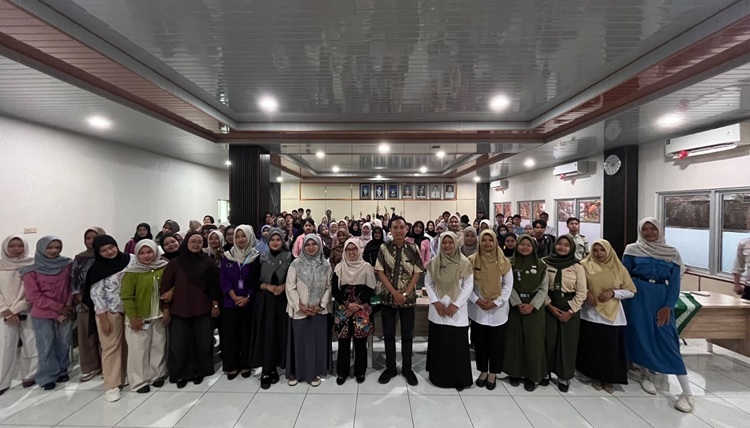
The event took place in the Seminar Room at UMPWR’s East Campus and was attended by representatives from approximately 10 senior high schools, vocational high schools, and Islamic senior high schools across Purworejo Regency. The event was officially opened by the Head of ULDKM UMPWR, Dr. Eko Harianto, M.S.I.
In his opening remarks, Eko emphasized that mental health deserves attention from an early age, particularly during adolescence. At this stage, young people experience various changes and challenges that extend beyond academic matters to include emotional development, social relationships, and the search for identity.
He explained that schools play an important role in supporting students’ psychological well-being. A positive and supportive educational environment can help teenagers feel safe in recognizing the challenges they face and finding ways to overcome them.
“Teenagers are in a stage of development filled with changes and challenges. Therefore, they need more than academic support. They also need to develop the ability to understand themselves, manage their emotions, build healthy relationships, and have the courage to seek help when facing difficulties,” Eko said.
He expressed his hope that the talk show would go beyond providing educational information and become a starting point for building a network of mental health support involving higher education institutions and schools throughout Purworejo Regency.
“We hope this activity will provide students with an opportunity to understand that maintaining mental health is just as important as maintaining physical health. When teenagers have a supportive environment, they are better equipped to cope with pressure and maintain hope for their future growth,” he added.
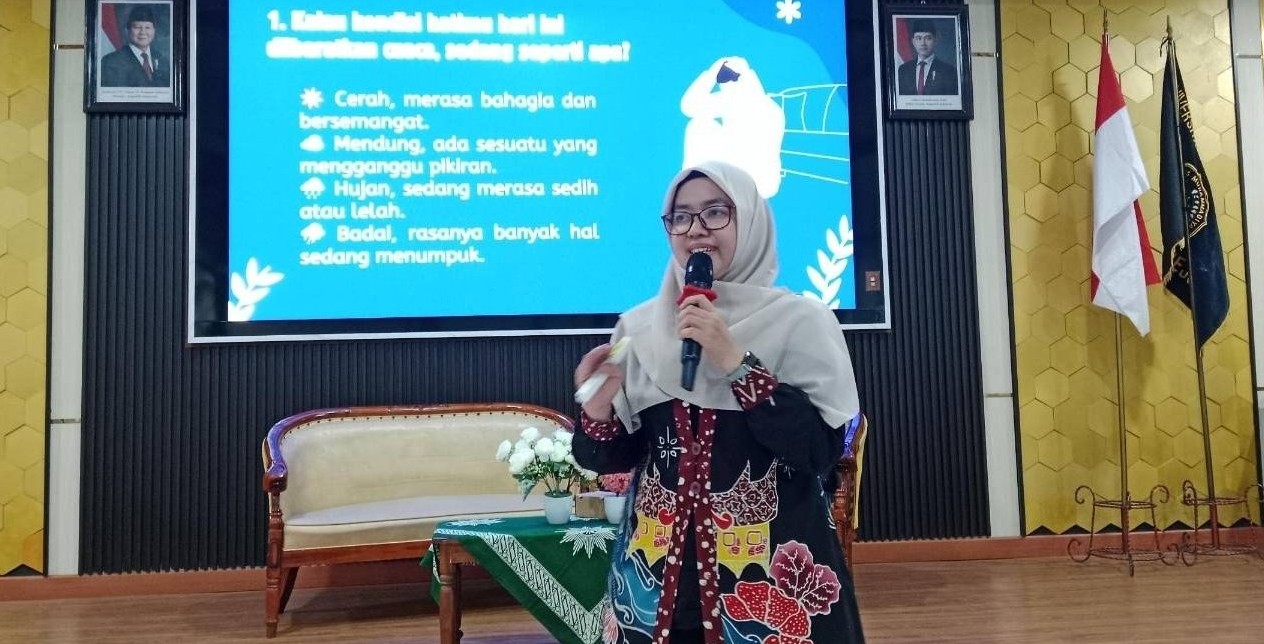
The event featured Septi Anugrah Heni, M.Psi., Psychologist, who encouraged participants to understand that psychological resilience does not mean never experiencing problems or always being able to solve everything independently.
A clinical psychologist practicing in Wonosobo Regency, Central Java, Septi explained that resilience is reflected in a person's ability to recognize their feelings, accept themselves, and take steps to seek help when facing problems they cannot resolve on their own.
“Resilient teenagers are not those who never experience problems. Resilience is demonstrated when they can recognize what they are feeling, accept themselves, and have the courage to seek help when facing problems they cannot solve on their own,” Septi explained.
She also emphasized that the ability to recognize and manage emotions is an essential part of maintaining teenagers’ mental health. In this process, young people need an environment where they can express their feelings without fear of stigma or judgment.
“When teenagers have the courage to talk about what they are experiencing, that is the first step toward getting help. Therefore, the people around them need to create a safe space where they can be heard, rather than judged,” she added.
The talk show featured interactive discussions on issues commonly encountered by teenagers, including academic pressure, peer relationships, self-confidence, social media use, family problems, and emotional management.
Students not only listened to the speaker’s presentation but also had opportunities to participate in discussions, share their perspectives, and talk about the challenges they encounter in their daily lives.
The discussion provided a space for participants to approach mental health issues more openly. They were encouraged to understand that experiencing difficulties is nothing to be ashamed of and that seeking help is not a sign of weakness.
The collaboration between ULDKM and HIMAPSI UMPWR represents one of the university’s efforts to promote mental health awareness among school-aged students. Higher education institutions are expected to play a broader role in fostering environments that prioritize mental well-being while strengthening cooperation with schools and the wider community.
Through this activity, students are expected to develop a better understanding of the importance of maintaining mental health and feel more confident seeking support when facing psychological difficulties. Such support may come from parents, teachers, peers, or professional practitioners, depending on their needs.
The key message of the event was simple but important: being a resilient teenager does not mean having to appear strong all the time. Resilience also means having the courage to understand oneself, accept one's feelings, ask for help when needed, and maintain hope for the journey ahead.